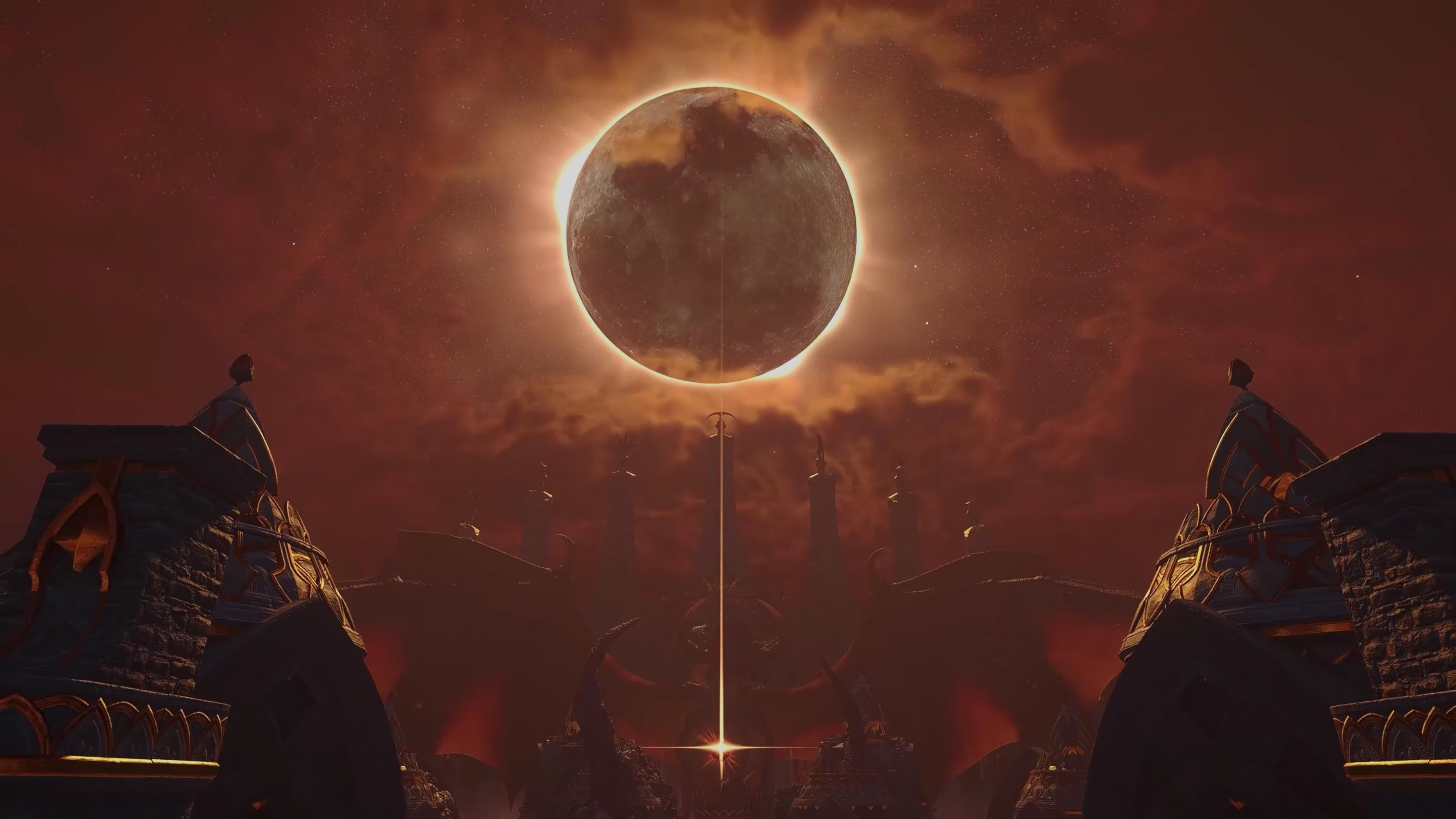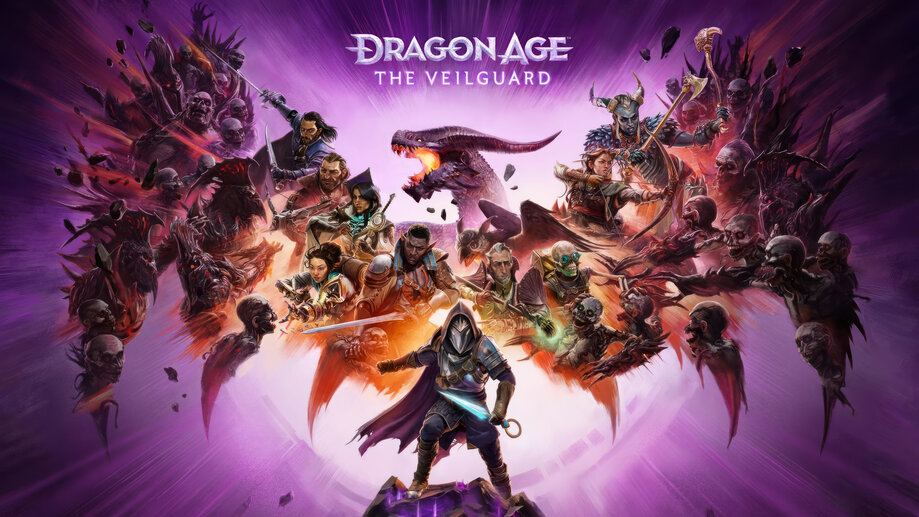
Overview
Dragon Age: The Veilguard is a more action-focused take on the series, with combat that feels closer to Mass Effect in structure than to earlier Dragon Age games.
I played through the game as a Rogue Archer, completed all side content, and ended up with a total playtime of 51 hours. Across that time, I found a lot to enjoy, particularly in combat, art direction, and technical polish.
At the same time, there are some issues in the dialogue, handling of older series characters, and the overall tone of the writing that stop it from reaching the top tier of BioWare’s catalogue.
Combat & Gameplay
I played the game as a Rogue Archer, partly because I enjoy testing archery systems in games whenever I get the chance. I had a lot of fun with that class, and the combat allowed me to play the way I wanted while still feeling effective.
The combat overall feels more like Mass Effect than previous Dragon Age games. You bring up a skill wheel and companion wheel, select targets, and then use skills to set up combos with your party.
In the early parts of the game, your combo options are fairly limited, but as more companions join the party, the combat becomes much more flexible. I found myself returning to combinations like Taash and Neve, or Davrin and Bellara, because they worked well with my build and rhythm.
Combo design is one of the stronger parts of the combat. Some skills apply a status effect, while others detonate that effect. For example, if an enemy is hit with a skill that applies Weakened, then hit with a detonation skill, it creates a strong visual explosion and deals heavy area damage.
One decision I did not like was that companions cannot be hurt in combat. In older BioWare games, keeping companions alive and managing their health added tension and made party control feel more meaningful. Removing that risk made combat feel a little less impactful than it could have.
Art Direction & Level Design
I thought the art direction and level design were strong throughout the game. Each area had a distinct visual style and colour palette, and it was easy to recognise where you were without having to think about it too much.
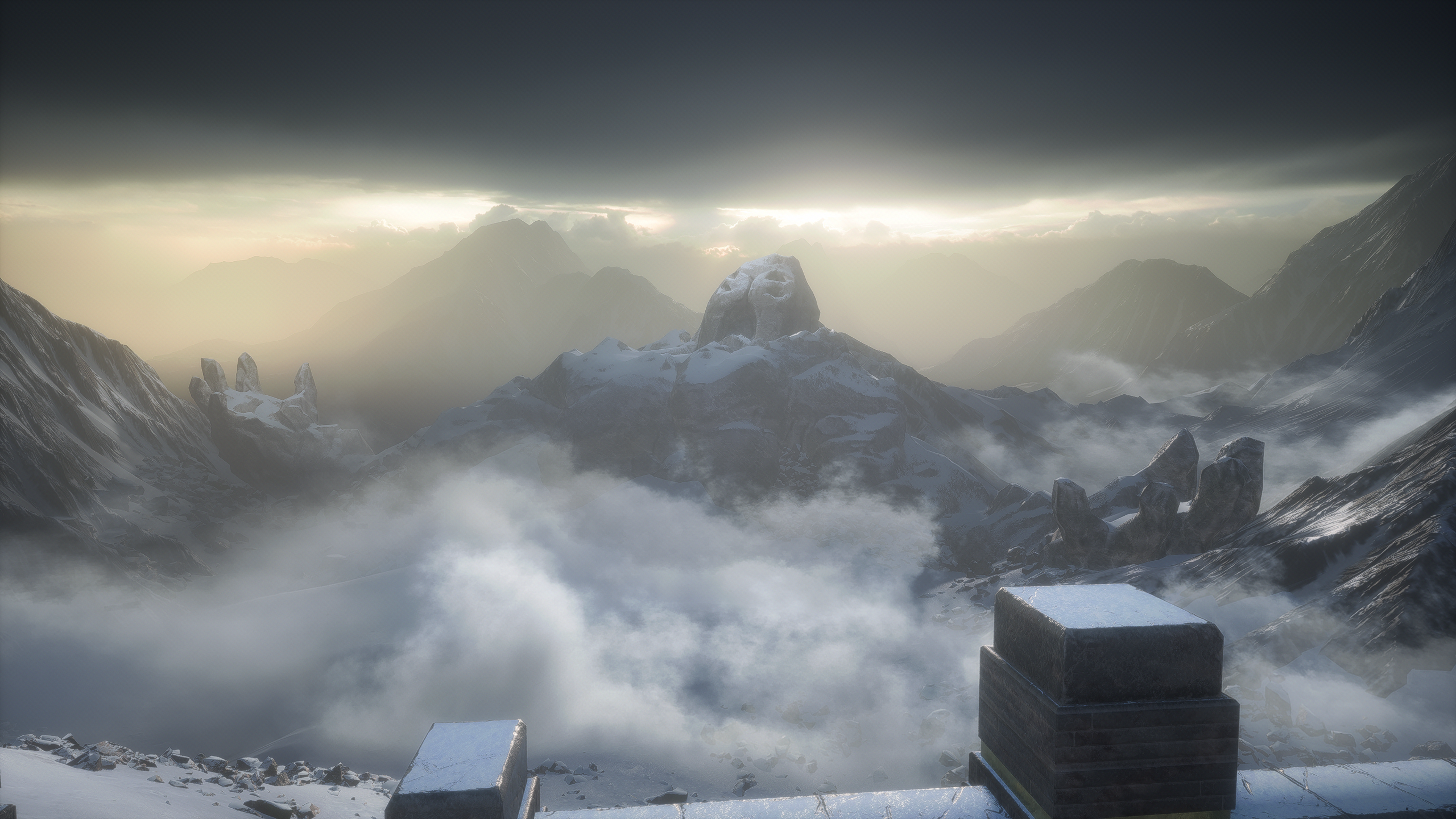
One thing I do think hurt the game unfairly was its early reveal. The first public trailer made the game look far more stylised than it actually is, and I think that did real damage to first impressions. In the real game, the art is much stronger and more grounded than that initial marketing suggested.
I did still have a few visual complaints. The Qunari look much weaker than they did in Inquisition, and Lucanis often looked as though his shading was slightly different from everyone else in the game.
Puzzles & Side Content
The puzzles are one of the weaker areas of the game. Most of them are extremely simple: moving statues, lining things up, or shooting a sequence of crystals to open a path.
That said, I was not really playing Dragon Age for puzzles, so while they were repetitive, they were not a major issue for me.
There is a huge amount of side content in the game, with many sidequests, exploration rewards, and large numbers of chests containing gear for the player and companions.
I completed all of the side content and found the companion quests to be the strongest part of it. Those missions did the best job of making the party feel like people with their own concerns and motivations.
Party Members
Overall I liked the companion cast. I do not think they reach the level of Mass Effect’s best squadmates, but they are still a solid group and several of them are very enjoyable.
I ended up with clear favourites and often brought the same companions along unless a mission pushed me toward someone specific.
Taash was one of the better companions in the game for me. A lot of the online reaction to that character felt wildly overblown. Once you understand that Taash is written like a teenager and behaves like one, a lot of the character makes sense. My issue was never that the non-binary material was present, but that the handling of it felt abrupt at times.
I also ended up romancing Harding, somewhat accidentally, and found it amusing that Neve and Lucanis ended up together. That kind of companion-to-companion relationship is not something I usually expect from BioWare games.
Dialogue
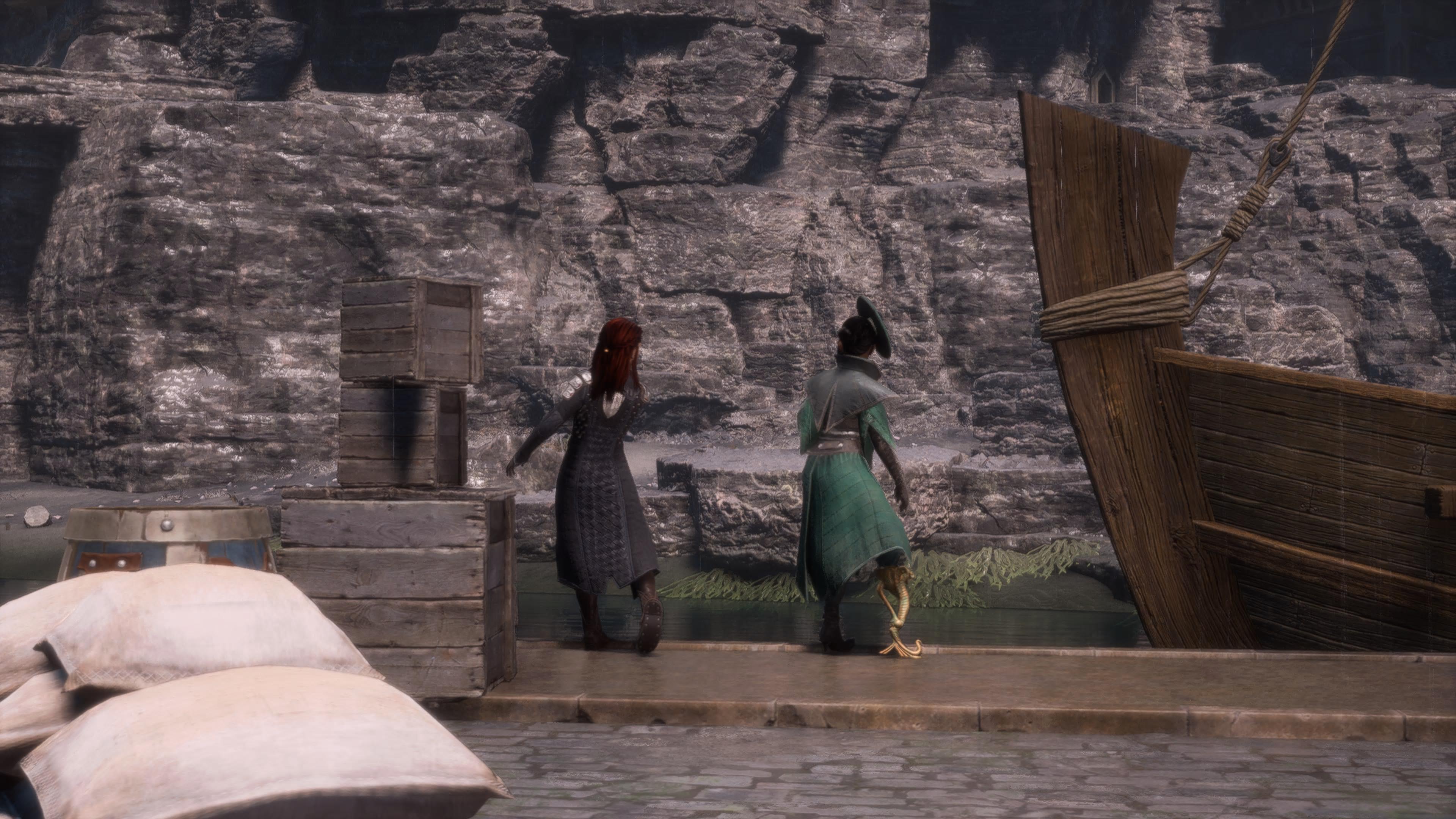
The dialogue is where I found the game most uneven. My biggest issue is that Rook, the player character, rarely feels able to meaningfully challenge companions or push back in conversations.
Most dialogue choices with companions remain broadly positive, even when the situation might call for more conflict or sharper disagreement. At times, it feels like Rook is functioning more as a therapist than as a strong central RPG protagonist.
Some of the writing also has a very modern, overly polished tone that occasionally feels less natural than it should. Not all of it lands badly, but it is one of the clearer weaknesses in the game.
Story
The main story revolves around Solas and the consequences of his actions following Inquisition. You begin the game trying to stop him from completing a ritual that would tear down the Veil.
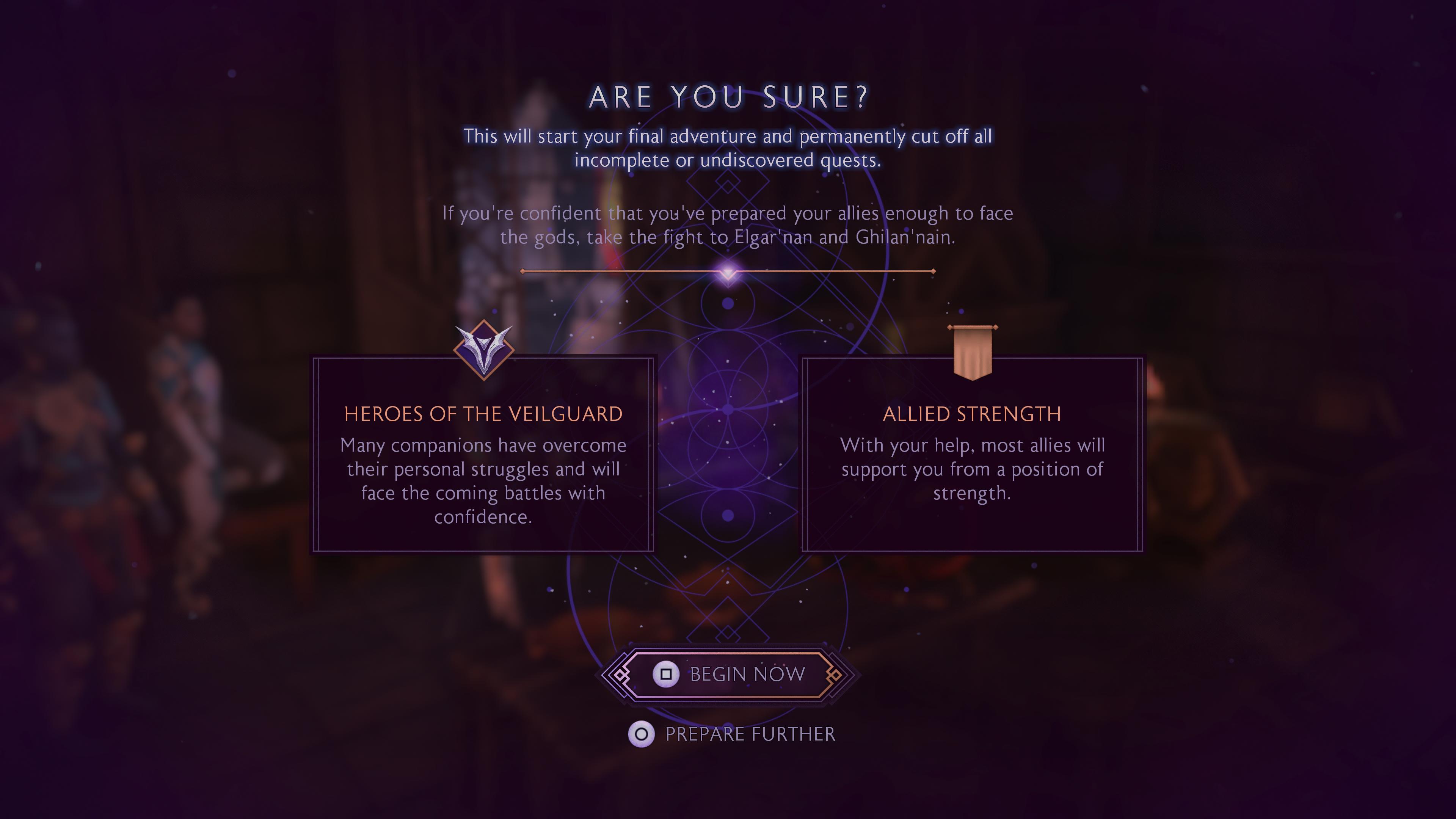
I liked the story overall and felt it gave a definite sense of conclusion to the broader Dragon Age arc running from Origins through to Veilguard. There is also a secret ending that hints at the possibility of another game, though I am not sure BioWare will actually get the chance to make it.
I especially liked the Mass Effect 2–style finale structure, where you split your team across different parts of the final conflict and assign companions to key roles. Getting those decisions right felt satisfying.
One of my biggest disappointments was how little the game uses characters from previous entries. Morrigan appears, but only in a limited way. The Inquisitor appears at points. Isabela is there. Dorian appears briefly near the end. But major characters like Leliana, Cassandra, and Iron Bull are absent.
I understand the desire not to overwhelm new players, but this is still the fourth game in the series. I think the game loses something by not leaning more heavily into its legacy cast and history.
Even though I liked most of the new characters well enough, I do not think many of them will stay with me the way the best BioWare characters do once I move on to other games.
Technical Performance
Technically, this is one of the cleanest AAA games I have played on PS5. I had zero crashes, no major glitches, and no notable environment or performance issues.
Whatever frustrations I had with some writing and design choices, the technical side of the experience was excellent. BioWare and the technical team deserve real credit for that.
Final Verdict
If this were not called Dragon Age and instead launched as a new fantasy action RPG IP, I think the online reaction would probably have been much more positive.
It is not my favourite Dragon Age game, and there are definitely areas where it falls short, especially in dialogue and in how lightly it engages with the series’ past.
But it is still a very good game. The combat is fun, the art is strong, the technical performance is excellent, and the overall experience is worth playing.
I finished the game in 51 hours while doing everything and only missed one trophy, which says a lot about how engaged I was all the way through.
Final Score: 8/10